Understanding the Role of Luck in Casino Games
Luck is often described as a significant factor in casino games, creating an unpredictable element that can affect outcomes at any moment. Many casino games, such as slot machines and roulette, are primarily based on chance, where players have little to no control over the result. In these scenarios, luck determines the winner, highlighting the inherent risk and thrill associated with gambling. Players may spin the reels or place their bets with the hope of hitting a big win, especially when using methods like neosurf casino instant withdrawal to quickly access their funds afterward, but the final outcomes are dictated by random number generators or the fall of the ball, leaving little room for skill to intervene.
However, the role of luck extends beyond mere chance. It can also shape the emotional experience of players, affecting their decision-making and risk tolerance. When players experience a winning streak, they tend to feel more confident and might take bigger risks, relying on their perceived “luck.” Conversely, a series of losses can lead to frustration and poor betting decisions. This psychological aspect of luck plays a vital role, influencing how players engage with various casino offerings, making the experience both enjoyable and unpredictable.
While luck governs many aspects of casino games, it’s crucial to understand the concept of variance. Variance indicates how much results can deviate from the expected outcome over time. High variance games may deliver significant wins sporadically, while low variance games offer consistent, smaller payouts. This distinction showcases how luck interacts with the game mechanics, and players need to recognize that even in games heavily reliant on luck, understanding variance can lead to better strategies in bankroll management and game selection.
The Influence of Skill in Certain Casino Games
In contrast to pure chance games, skill-based games like poker and blackjack offer players a chance to leverage their knowledge and experience to improve their odds. In poker, for example, players use their understanding of probability, psychology, and game theory to make strategic decisions that can significantly influence the outcome. Skillful players can read opponents’ behaviors, assess their own hand strength, and calculate pot odds, thus optimizing their chances of winning. This strategic depth makes poker a game where skill can indeed outweigh luck over the long term.
Similarly, in blackjack, players employ strategies such as card counting or understanding basic strategy charts to enhance their gameplay. While the cards dealt are still subject to chance, skilled players can minimize the house edge by making informed decisions on whether to hit, stand, or double down. This knowledge can significantly improve winning probabilities. Thus, in these skill-intensive games, the combination of knowledge, practice, and strategic thinking offers a substantial advantage that can often surpass random luck.

Furthermore, the advantage of skill is evident in how it assists players in managing their bankroll effectively. Skilled players are more likely to recognize when to walk away after a series of losses or when to capitalize on a winning streak. This ability to recognize patterns and adjust their gameplay accordingly is a hallmark of professional gamblers who often exhibit a blend of discipline and skill that allows them to navigate the unpredictable nature of casino games more successfully.
The Balance Between Skill and Luck
The debate over whether skill can outweigh luck in casino games is not a simple dichotomy but rather a complex interplay between the two elements. In many games, luck provides the initial conditions for a player’s success or failure, while skill can determine how effectively a player capitalizes on those conditions. For instance, in a game like baccarat, the outcome is largely determined by the shuffle and draw, yet skilled players can still employ strategies related to betting patterns and game flow to enhance their experience.
Moreover, the understanding of risk management, which encompasses both skill and luck, significantly impacts a player’s success. By recognizing the role of variance in their game of choice, skilled players can adjust their betting strategies and expectations, thereby providing them with a better chance of profiting in the long run. This awareness differentiates casual players, who may play solely based on luck, from more experienced individuals, who leverage skillful understanding to govern their gambling strategies.
This blend of skill and luck also manifests in the concept of “variance in skill.” A player’s skill level may provide an advantage over time, but statistically, the influence of luck can still create unexpected outcomes. Thus, while a highly skilled player is likely to come out on top in the long run, each individual session can be impacted by chance, further emphasizing the delicate balance that exists between these two factors in casino gaming.
The Impact of Game Design on Luck and Skill Dynamics
The design of casino games plays a pivotal role in determining the balance between skill and luck. Games that offer players strategic choices inherently provide opportunities for skillful play. For instance, video poker machines incorporate elements of skill where players must choose which cards to hold or discard. This design component transforms the game from a purely luck-based endeavor into an arena where strategic thought can yield more favorable outcomes.
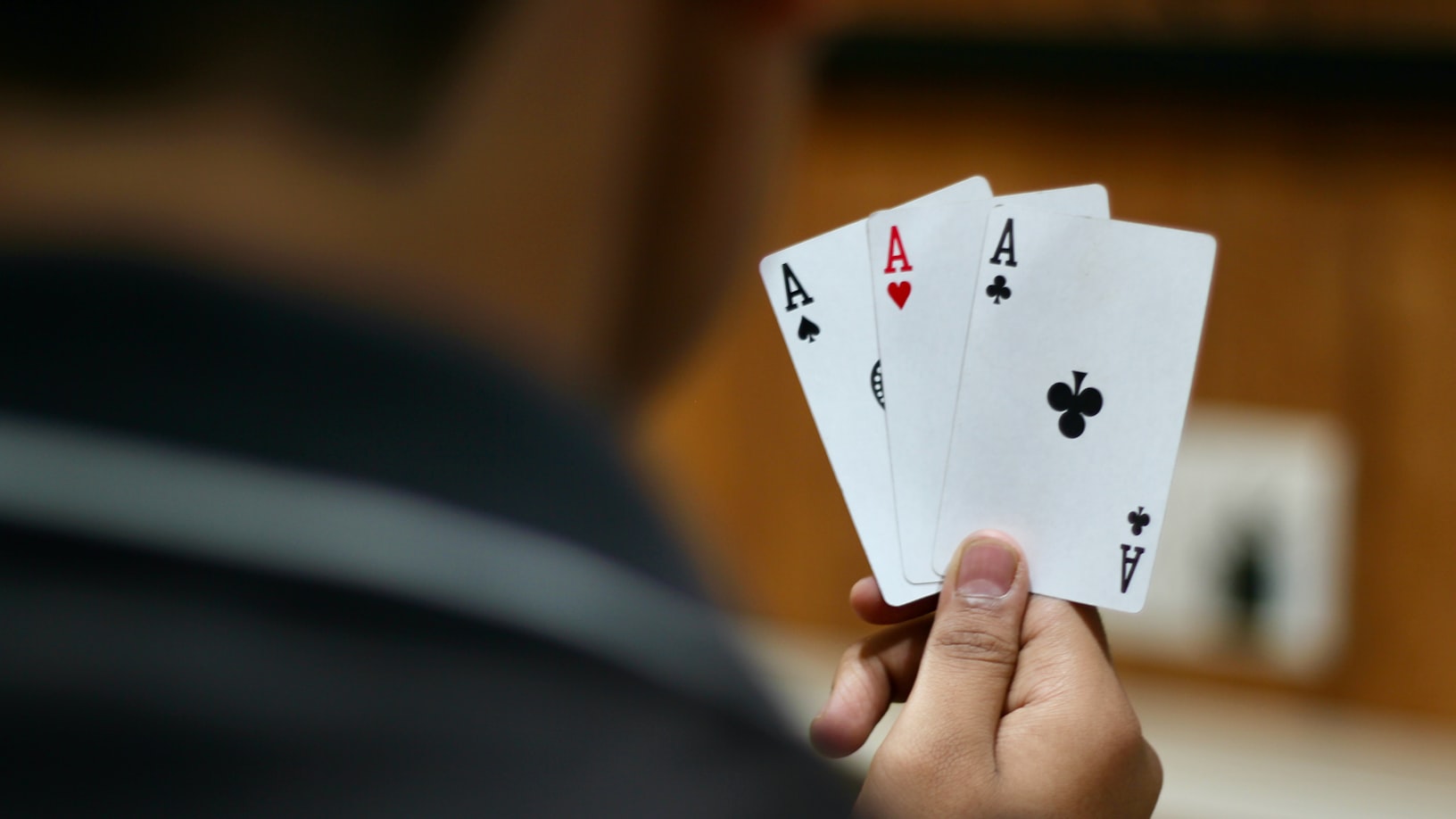
Conversely, games designed primarily around luck, such as slot machines, lack elements that allow for skillful intervention beyond choosing bet amounts and game types. These machines rely on random number generation, making it impossible for players to alter the odds through skillful tactics. This highlights a crucial aspect of the casino experience: the extent to which design caters to skill can significantly influence players’ perceptions of the game and their expectations of winning.
Understanding these dynamics can also help players make informed choices about which games to play, depending on their level of skill and willingness to engage in strategies. For those who prefer games with a greater degree of randomness, luck-centric titles may be appealing, while those looking for a mental challenge might gravitate toward skill-based options that allow them to showcase their expertise and potentially outperform luck in the long term.
Exploring Resources for Enhanced Casino Strategies
For players eager to develop their skills and improve their chances at casino games, a wealth of resources is available. Many websites offer strategies, tutorials, and tips tailored to various games. By understanding game rules, practicing strategies, and engaging with experienced players, individuals can cultivate their skills and enhance their overall casino experience. Whether through online gaming forums, instructional videos, or dedicated strategy guides, learning from experts can provide invaluable insights into skill-based play.
Moreover, many casinos offer opportunities for live games, where players can gain experience and hone their skills in real-time environments. Participating in live tournaments or games not only reinforces learning but also immerses players in the social aspects of gaming, which can enhance enjoyment and motivation. This combination of practice, learning, and community can significantly impact a player’s journey toward becoming a more skilled gambler.
Ultimately, understanding the balance of skill and luck in casino games empowers players to make educated decisions about their gaming choices. By emphasizing the importance of skillful play while acknowledging the unpredictable nature of luck, players can approach the casino world with greater confidence and insight. Engaging with resources and learning from experienced individuals can help foster both skill enhancement and a more enriched gaming experience.